One of the saddest parts about Akercocke going on hiatus all those years ago was the fact that after Words That Go Unspoken… and Antichrist (Earache) there was a tangible feeling that they were on course to release something truly ground-breaking. Whilst their recent release Renaissance in Extremis (Peaceville) was very welcome indeed, I couldn’t help but feel that the return to an earlier sound left that potential untapped. Continue reading →
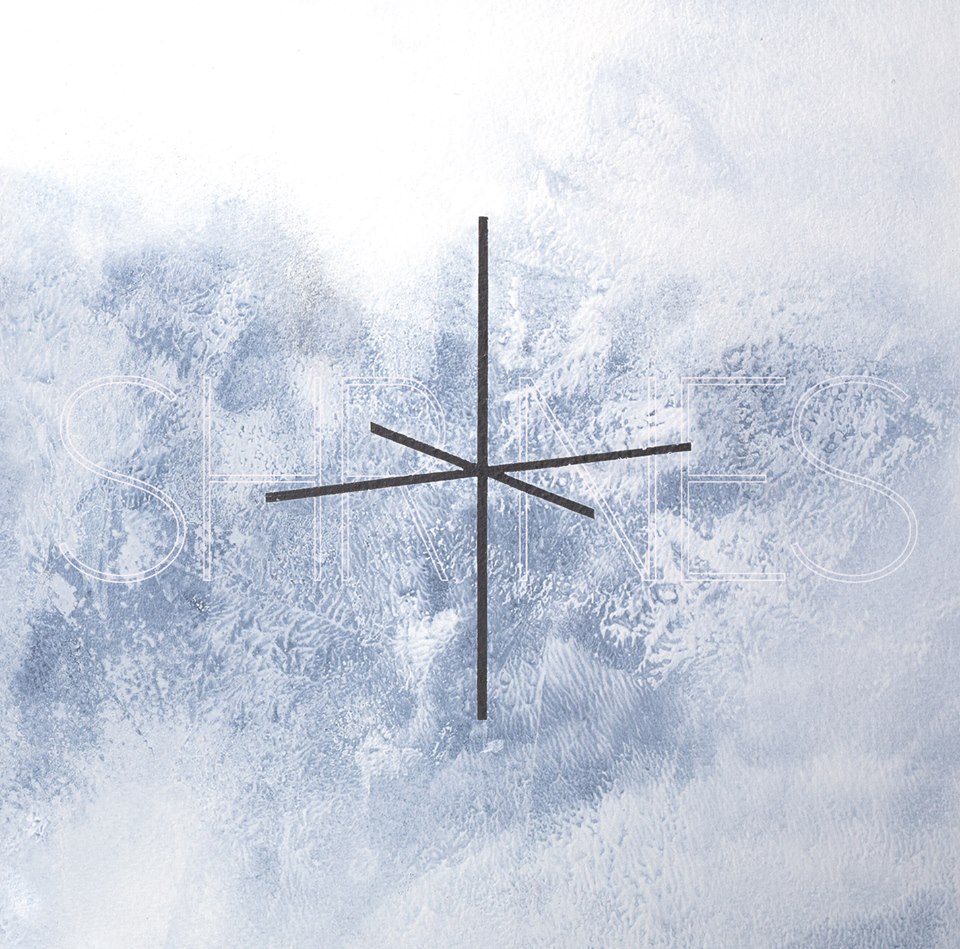
You know how it feels when you just can’t decide what to listen to? You cycle through ten albums in as many minutes, hearing bits and pieces of everything but not feeling entirely satisfied by any of it. The first time you listen to Shrines (Apocalyptic Witchcraft) you may well think that you’ve just done that without changing the album.
Shrines are one of those bands that it’s hard to pin down on paper, not because they’ve forced some uniquely individual style, but simply because they jump around so often that it’s frequently easy to forget that you’re listening to the same band. Across their debut’s ten tracks, Shrines cover sweeping Post-Metal, melancholic Black Metal, vaguely pastoral Doom, masterful Death Metal, bullish 90’s Metal chugging and some oddly laconic Gothy stuff about wolves that even manages to sound out of place on this album.
As this review is likely to focus on the negative, it needs to be said that the playing on Shrines is absolutely top notch – the band are in lockstep throughout, not missing a beat despite the complex and changing nature of the material – and there’s no shortage of excellent moments throughout. The problem is that they never manage to coalesce into anything meaningful. There’s nothing wrong with variety, of course, but the bands who really pull it off are the ones who invest every style they touch with a sense of their own identity – Shrines cover a lot of bases with style and precision, but there’s never a sense of who they are beneath that, and each time the album finishes you’re left with no greater idea of who they actually are as a band. The vocals also don’t help, moving (as you’d expect) from soaring clean singing to angry shouts and gruff roars, but never really committing to either and ultimately sounding passive and withdrawn.
Shrines is an impressive performance from a talented band who are undoubtedly trying to forge their own unique style, and for the right listener they may well “click” into something that truly transcends the sum of its parts. Unfortunately, for the rest of us, the abiding impression will be that of so many ideas that none of them really have chance to take root.
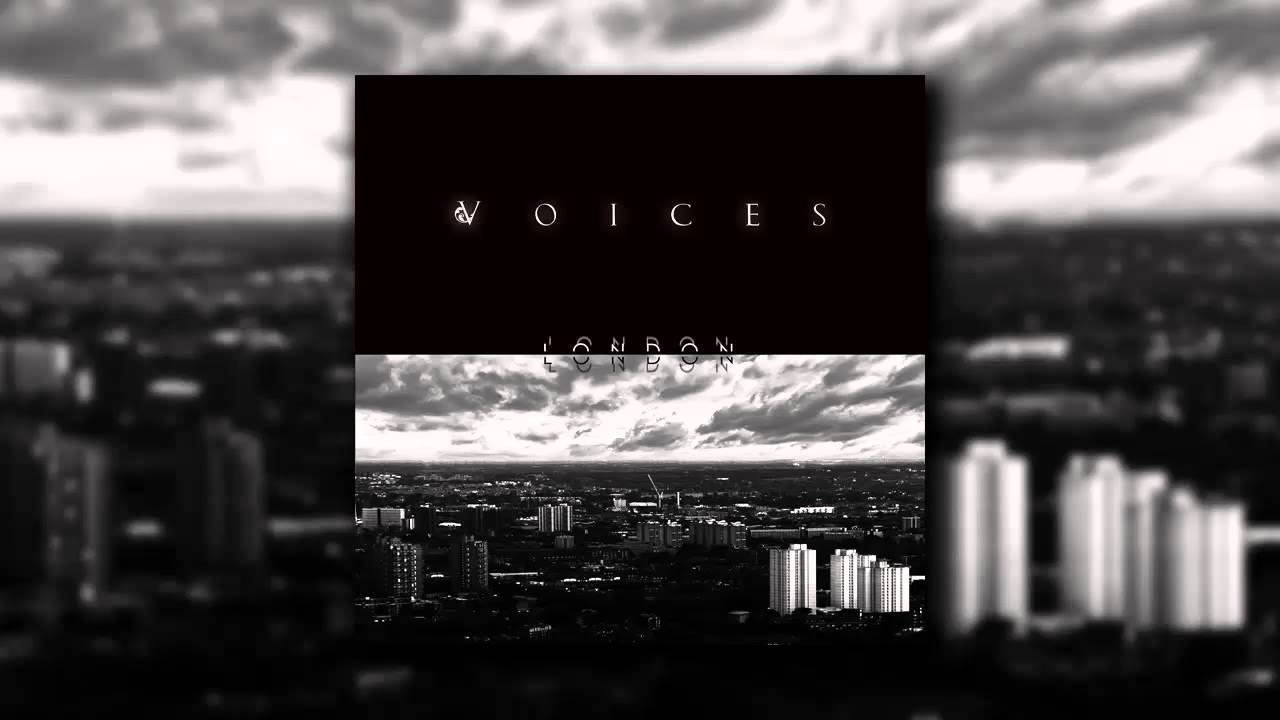
With a debut album that flew under the radar, twisted progressive extreme metal outfit Voices made the ultimate statement with their incredible, expansive, complex and warped second album, the must-hear fucked up concept of London. Guitarist Sam Loynes took time out to give Ghost Cult an open top tour…
The difference between your debut, From The Human Forest Create A Fugue Of Imaginary Rain and your second opus London (both Candlelight) is monumental, both in terms of scope and quality. How do you account for this improvement?
We were still finding our feet on the first record and came up with the songs within a couple of months through improvisation, which is how we write. Moving into London, the songs, again while relying on improvisation a lot in their construction, are far more considered.
We wrote London in a visual mode that became the narrative that runs through it, and we had this idea of trying to write a really ambitious piece. We wanted it to be big, meaty, with a lot of information for people to get into; to go full on with it. We didn’t want to do just another standard album, you know, seven songs, and it’s OK. Fuck that. This needed to be a serious, complete record that people can really get their teeth into.
Ambition was the main difference, really. We aimed for the stars with this one.
That’s a good word, because the album is ambitious, with no half measures taken, especially as it has a fully developed narrative and concept running through it. Which came first, the chocolate or the colour?
85% of what you hear on the record comes from improvisation. A great example is a song like ‘Fuck Trance’ that was composed completely in the moment. There was no preconception of riffs, or ideas, or anything like that, we just got into the rehearsal room after a long fucking day at work and fucking horrible journey down to the studio which is way out West London. We looked at each other, and we had it. I looked at Pete (Benjamin – guitars/vocals) and Dave (Gray – drums) and we had it. And the song came out.
The way the narrative came about was within that improvisation. When we were playing and creating it, we’d have these almost like visions, visions steeped in our non-musical influences at the time, things like Graham Greene’s The End of the Affair and the character Maurice Bendrix, who is an anti-hero that is obsessive and anxiety ridden over, of course, a woman. These reference points helped us visualize this new anti-hero as he moved through the streets of London being accosted by these various distorting events, and he’s reaching out trying to find this Megan figure that’s the object of his affection, even though she turns out to be less than agreeable.
It’s quite an abstract thing, but it was such a powerful mode of writing. When we got to the end of, say, ‘Hourglass’, when he was washed up by the River Thames after being poisoned, in our brains we desperately wanted to know where he’s going to go next! And the only way for is to find out is let’s fucking do the next song!
So, the narrative was spawned out of the visual style of writing (and) it was an amazing way to write. I don’t know, but it might even be a once in a lifetime only way of writing, because it was also very specific to where we all were in time and in our lives.
How auto-biographical is it?
Dave was very much at the forefront of encapsulating the specifics of what the narrative became. He then actually wrote the passages that you hear link the songs. It’s most personal to him, but the reason we chime as musicians and as people together is that we all have this disposition within us, this Maurice Bendrix syndrome – steeped within anxiety, very much onlookers, particularly living in London, and not feeling part of it, or feeling not quite right being within London.
I’d say that Dave was the one who related most to the anti-hero character and he brought him to life on paper but we all have over the top, vivid imaginations.
Did you reference other concept albums, perhaps something like Queensryche’sOperation Mindcrime which tells a story?
We were very aware of wanting to live up to the effect that concept records can have and the Zappa one is the one we looked at (Editor’s Note: Sam couldn’t remember the title at the time, I think he’s referring to Freak Out). Dave was keen it was a key reference point. With the theme of detachment, did you look at something like The Wall? To be honest, our influences in terms of the concept were very detached from music. JG Ballard and extending to things like Bladerunner, even Lolita to a certain degree.
So works with those feelings of being outside, or different… that detachment again? There’s a vicarious element to them. It’s very difficult to hone in on what we’ve done here, but it’s those ideas of vicarious obsessions, anxieties and distortions, all captured in an abstract narrative.
As one of the creators of such an ambitious and successful dark work of art, how are you feeling about it now?
Creatively it was daunting, but more so now we’ve done it, because I listen to London and I think “where do we go from here”? What kind of planet are we going to have to be on to live up to, or surpass this!? So for me, I do think we’re going to have to seriously consider what direction we go in next.
I think it was Krystoffer Rygg (Ulver) who said that each album he has done is a reaction to the one preceding it… So, is the response to something as complex and dark as London is maybe something lighter, catchier, more simplistic and punkier…?
It’s funny you should say more punky and poppy, because that was the idea I had. Myself and Dave are massive fan-boys of bands like Joy Division and Bauhaus and more recently to name a contemporary band I’m into, Savages, and while we’re not all of sudden become a fucking pub rock band or whatever, let’s think a little more about song based material, rather than really sprawling epic songs.
A song like ‘Last Train Victoria Line’ is in line with that kind of idea, and to me that’s the direction I’d like to consider going towards. Songs with hooks, choruses, that are a bit like Killing Joke, and a bit like Joy Division, but also extreme and out there.
Who knows what comes out when we start writing again, but I do not have any interest in regurgitating London because we ain’t gonna better that record.