
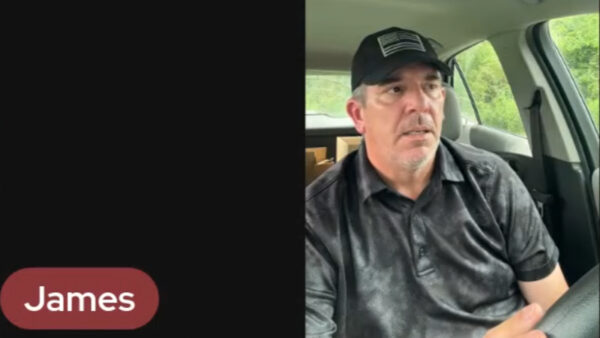
Former Columbus, Ohio police officer James Niggemeyer, the man widely credited with ending the December 8, 2004 shooting at the Alrosa Villa that took the life of Dimebag Darrell Abbott, has spoken publicly about the night that defined and ultimately derailed his career. In a new interview with Bill Bailey of Today’s Boondoggle Podcast, Niggemeyer says he has no regrets, but it cost him everything.

A little after 10pm on December 8, 2004, 911 operators began receiving panic-stricken calls from the Alrosa Villa in Columbus, Ohio. During a Damageplan concert, a gunman rushed the stage and opened fire. Seven people were wounded, four fatally, including Pantera and Damageplan guitarist “Dimebag” Darrell Abbott.
Niggemeyer, patrolling just blocks away, was the first officer to arrive on the scene — less than three minutes after the first 911 call. He entered through the rear of the building, spotted the gunman holding a hostage in a headlock near the back of the stage, and from approximately twenty feet away fired one shot with his Remington 870 shotgun, killing the gunman instantly. The gunman still had thirty-five rounds of ammunition when Niggemeyer fired.
In the new interview, Niggemeyer describes the tunnel vision of that moment: “Literally, everything was black except for the suspect and the hostage. It was a true tunnel vision. I literally didn’t hear or see anything else. I can’t even tell you what people were screaming.”
He did not know who was playing at the venue that night until roughly thirty minutes after the incident, when he heard it on the radio and in the breaking news. A country music and classic rock fan, Niggemeyer had heard of Pantera but was not a metal listener. He later received supportive emails from fans and, unexpectedly, a letter from the gunman’s mother telling him she understood he was doing his job and bore him no ill will.
The emotional toll of the incident was profound. Niggemeyer was hospitalized for panic attacks and constant nightmares. After three years on patrol, doctors and city officials determined he should no longer be a first responder. He was transferred to the robbery section as a detective and eventually retired from the force due to medical reasons.
“I’d just be here on a normal day, like talking to you, and I’d just go into a full-blown panic attack. It ended my career — something that I did, everybody tells me extremely well, ended up ending my career. But I don’t regret it for a minute. I’m glad I was able to stop him before a lot more people were hurt.”